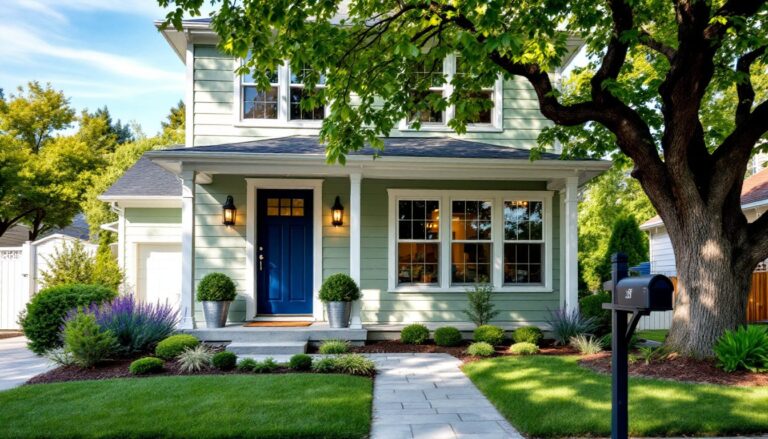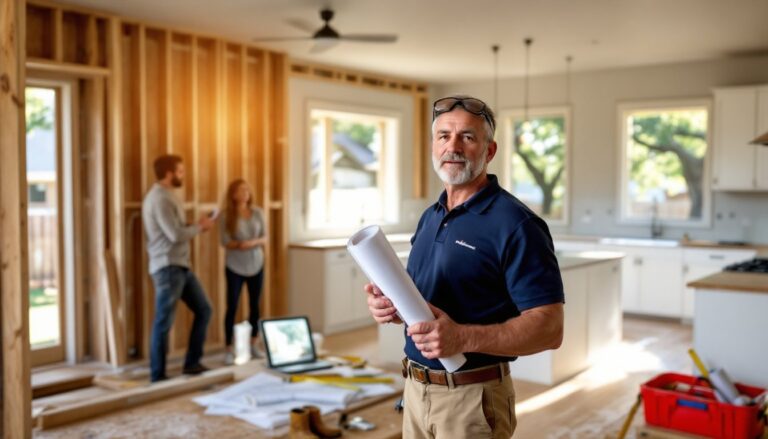

Highland Park homeowners know what they’ve got: historic character, North Shore charm, and properties worth investing in. Whether you’re updating a century-old Colonial or modernizing a mid-century ranch, remodeling here isn’t just about aesthetics, it’s about maintaining value in one of Illinois’ most competitive real estate markets. From kitchens that function for modern families to bathrooms that add resale appeal, this guide walks through what Highland Park homeowners need to know before breaking ground. We’ll cover project planning, budgeting, local permit requirements, and the renovations that make the most sense for this market.
Key Takeaways
- Home remodeling in Highland Park can return 60-80% of investment at resale, making kitchen and bathroom upgrades strong financial decisions for North Shore homeowners.
- Kitchen and bathroom remodels are the top renovation projects in Highland Park, with budgets ranging from $15,000 for minor refreshes to $150,000+ for high-end renovations.
- All structural, electrical, plumbing, and mechanical changes require permits from Highland Park’s Community Development Department; skipping permits risks fines and resale complications.
- Highland Park remodeling costs run 10-20% higher than the Illinois average due to North Shore labor rates and stricter permit requirements—always include a 10-15% contingency for hidden issues in older homes.
- Older Highland Park homes built between 1920-1970 often need upgrades to outdated electrical panels, plumbing, and HVAC systems, making proactive remodeling more cost-effective than emergency repairs.
Why Highland Park Homeowners Are Investing in Remodeling Projects
Highland Park’s median home age skews older, with many properties built between 1920 and 1970. That means original plumbing, outdated electrical panels, and kitchens designed before dishwashers were standard. Homeowners here remodel for three reasons: functionality, energy efficiency, and competitive resale value.
The local market rewards updated homes. A kitchen or bath renovation can return 60-80% of the investment at sale, and energy-efficient upgrades (new windows, insulation, HVAC) lower utility bills while meeting buyer expectations. Highland Park’s tree-lined streets and established neighborhoods also mean homeowners are more likely to renovate than relocate, especially when mortgage rates fluctuate.
Another driver: aging infrastructure. Homes with galvanized steel pipes, knob-and-tube wiring, or original cast-iron drain stacks eventually need work. Proactive remodeling lets homeowners address these issues on their timeline, not during an emergency. Plus, updated mechanical systems and materials can qualify for local rebates or tax credits tied to energy efficiency.
Popular Home Remodeling Projects in Highland Park
Kitchen Renovations
Kitchen remodels are the most requested project in Highland Park, and for good reason. Older homes often have compartmentalized layouts, closed-off kitchens with limited counter space and no room for an island. Modern buyers (and sellers) want open sightlines to the dining or family room, quartz or granite counters, and storage that actually works.
Budget ranges:
- Minor refresh ($15,000–$35,000): Paint cabinets, replace countertops (quartz runs $50–$100/sq ft installed), update fixtures, add undercabinet LED lighting.
- Mid-range remodel ($40,000–$75,000): New semi-custom cabinets, engineered hardwood or luxury vinyl plank (LVP) flooring, tile backsplash, stainless appliances. May include relocating a sink or adding a peninsula.
- High-end renovation ($80,000–$150,000+): Custom cabinetry, premium appliances (built-in refrigeration, induction range), structural work to open a load-bearing wall (requires engineer and permit), designer tile, upgraded lighting on dimmers.
Most Highland Park kitchens benefit from addressing the electrical load. Older homes may have 100-amp service, but modern kitchens need dedicated 20-amp circuits for microwaves, dishwashers, and disposal. Plan for a panel upgrade if you’re adding high-draw appliances. If hiring help, many contractor matching platforms can connect homeowners with licensed electricians familiar with local code.
Bathroom Upgrades
Bathroom remodels in Highland Park fall into two categories: primary bath luxury upgrades and guest/hall bath functionality fixes. Older homes often have one full bath and a powder room, fine in 1955, tight for a family of four today.
Common upgrades include:
- Tub-to-shower conversions: Many homeowners replace a rarely used tub with a curbless walk-in shower (requires proper slope for drainage, typically 1/4″ per foot). Use cement backer board (1/2″ Hardie or equivalent) behind tile, not green drywall.
- Vanity and storage improvements: Swapping a pedestal sink for a 36″ or 48″ vanity adds needed storage. Soft-close drawers and pull-out organizers make daily use smoother.
- Ventilation fixes: Highland Park’s humid summers demand proper exhaust. Install a 110 CFM or higher bath fan vented to the exterior (not into the attic). This prevents mold and meets IRC requirements.
- Flooring: Porcelain tile (12×24 planks are popular) is durable and water-resistant. Luxury vinyl plank is a budget-friendly alternative that handles moisture well.
Permit note: Any work involving plumbing relocation, electrical (new circuits, GFCI outlets), or structural changes (removing a wall, altering joists) requires a Highland Park building permit. Don’t skip this, it protects resale and insurance claims.
Planning Your Highland Park Remodeling Project: Key Considerations
Good planning separates a smooth remodel from a six-month headache. Start by defining scope and must-haves versus nice-to-haves. Are you fixing a functional problem (leaking shower pan, outdated wiring) or chasing a style refresh? Be honest, scope creep kills budgets.
Timeline considerations:
- Design phase (2–6 weeks): Work with a designer or architect if structural changes are involved. Even modest projects benefit from scaled drawings.
- Permitting (2–4 weeks): Highland Park’s Community Development Department reviews plans. Expect longer waits during spring/summer construction season.
- Material lead times (4–12 weeks): Custom cabinets, tile, and certain appliances can have long lead times, especially if supply chains are tight. Order early.
- Construction (4–12 weeks): Kitchens average 6–8 weeks: bathrooms 3–5 weeks. Weather, inspector availability, and subcontractor schedules add variables.
Hiring vs. DIY:
DIYers can handle demo, painting, trim carpentry, and some finish work. Leave plumbing rough-in, gas line work, and service panel upgrades to licensed tradespeople. Highland Park inspectors check for code compliance, improper work flagged during inspection delays the project and costs more to fix.
If hiring a general contractor, get three written bids. Ask for references in Highland Park (local GCs know city inspectors and quirks of older homes). Verify Illinois licensing and liability insurance. Reading online reviews and cost guides can help benchmark local pricing and contractor reliability.
Budgeting for Your Highland Park Home Remodel
Highland Park remodeling costs run 10–20% higher than the Illinois state average due to North Shore labor rates, stricter permit requirements, and homeowner expectations for quality finishes.
Typical cost breakdowns:
- Labor: 40–50% of total budget (electricians, plumbers, carpenters, tile setters)
- Materials: 30–40% (cabinets, counters, flooring, fixtures)
- Permits and fees: 2–5%
- Contingency: 10–15% (always budget this, older homes hide surprises)
Sample kitchen budget ($60,000 total):
- Cabinets: $18,000
- Countertops (quartz): $5,500
- Appliances: $7,000
- Flooring (LVP, 200 sq ft): $3,000
- Electrical/plumbing: $8,000
- Labor (install, finish carpentry): $12,000
- Permit/design: $2,500
- Contingency: $4,000
Don’t cut the contingency. Highland Park homes often reveal outdated subfloors, asbestos tile (common pre-1980), or undersized joists that need sistering. Addressing these mid-project without a buffer derails budgets fast.
Financing options include home equity lines of credit (HELOCs), cash-out refinances, or personal loans. Compare interest rates and terms. Avoid credit cards for major expenses, the rates hurt. For rough cost estimates and project scoping, many homeowners reference remodeling cost calculators to set realistic expectations before meeting contractors.
Navigating Highland Park Building Permits and Regulations
Highland Park’s Community Development Department enforces the International Residential Code (IRC) and National Electrical Code (NEC), with local amendments. Any project involving structural, mechanical, electrical, or plumbing changes requires a permit. Yes, even moving a sink three feet.
When permits are required:
- Structural work: removing or altering walls, cutting floor joists, adding beams
- Electrical: new circuits, panel upgrades, recessed lighting in ceilings
- Plumbing: moving fixtures, adding drains, water line rerouting
- HVAC: ductwork changes, new furnace or A/C installation
- Window/door replacements that change rough opening size
When permits typically aren’t required:
- Cosmetic work: painting, flooring over existing subfloor (no structural changes), cabinet refacing
- Minor repairs: replacing a faucet, patching drywall, swapping light fixtures on existing boxes
Call the permit office at (847) 432-0800 if you’re unsure. Filing without a permit risks fines, project shutdown, and complications at resale (title companies sometimes require proof of permits for major work).
Inspection process:
Highland Park typically requires inspections at these stages:
- Rough-in (framing, electrical/plumbing before drywall)
- Insulation (if applicable)
- Final (all work complete, fixtures installed, surfaces finished)
Schedule inspections 24–48 hours in advance. Inspectors are thorough, expect them to check framing for proper fastener spacing, GFCI outlets in wet areas, proper venting for baths and kitchens, and handrail height/spacing on any stairs.
Safety and PPE:
Demolition and construction create dust, noise, and hazards. Always wear safety glasses, hearing protection (for saws and demolition), dust masks (N95 minimum for drywall dust), and work gloves. If disturbing materials pre-1980, test for asbestos and lead paint. Highland Park has strict disposal rules for both, don’t toss them in a dumpster.
Remodeling in Highland Park rewards preparation. Homeowners who plan thoroughly, budget realistically, and respect the permit process end up with projects that add real value and function, without the stress of surprises or code violations down the road.