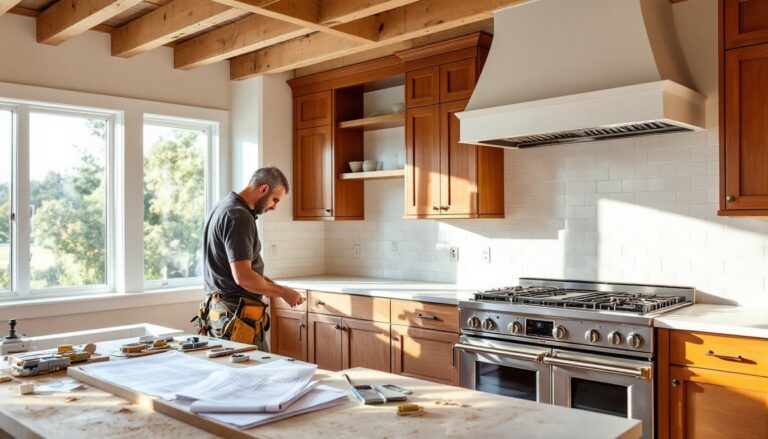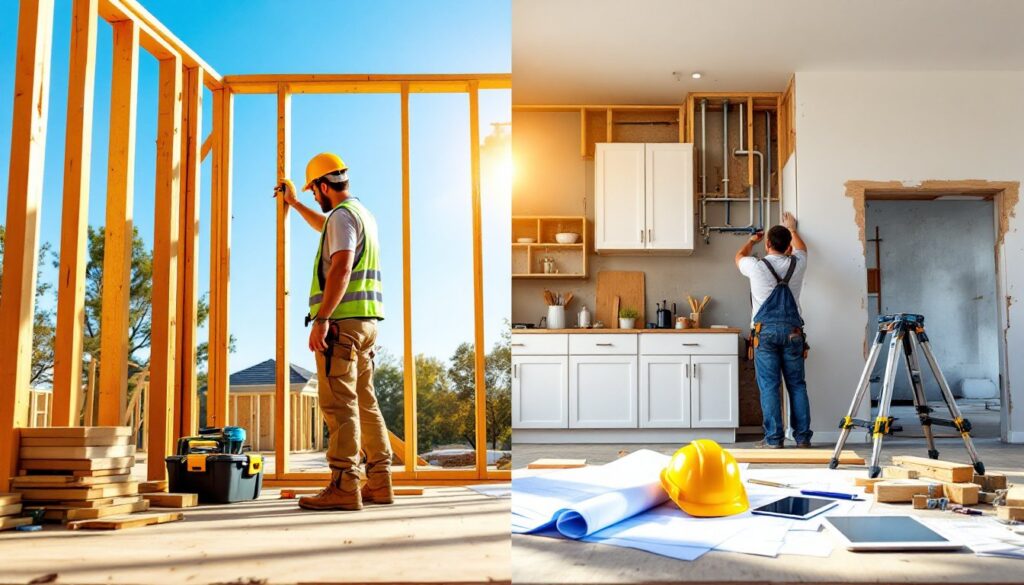

Whether you’re looking at an empty lot with blueprints in hand or staring at a cramped 1980s kitchen that needs gutting, the line between construction and remodeling isn’t always clear, but it matters. Both paths involve permits, budgets, timelines, and the occasional 2 a.m. panic about load-bearing walls. This guide walks through the fundamentals of home construction and remodeling in 2026, covering what separates new builds from renovations, how to plan and budget realistically, when to call in pros versus rolling up your sleeves, and which projects actually pay off when it’s time to sell.
Table of Contents
ToggleKey Takeaways
- Home construction and remodeling differ fundamentally: new builds start from raw land and take 6–12 months, while remodels work within existing structures and often cost more per square foot due to hidden issues and demolition complexity.
- Detailed planning on paper before starting work—including clear scope, comparable projects, multiple bids, and permit requirements—prevents costly rework and code violations.
- Budget for more than materials alone: include labor (40–60% of total), permits, dumpster rental, and a 15–20% contingency for remodels to account for unexpected discoveries.
- Hire licensed professionals for structural changes, electrical/plumbing upgrades, and roofing; DIY projects like painting, flooring, and non-load-bearing demolition are manageable with proper prep and safety equipment.
- High-ROI remodeling projects in 2026 include kitchen and bathroom updates (60–85% return), exterior improvements (75–95%), and bathroom additions, while luxury finishes in mid-range neighborhoods typically don’t recoup their cost.
- Never skip permits, underestimate timelines, or ignore load-bearing walls—rushing projects and cutting corners on safety, ventilation, and code compliance lead to structural failures, safety hazards, and selling complications.
Understanding the Difference Between New Construction and Remodeling
New construction starts with raw land or a cleared foundation. You’re working from architectural plans, pulling permits for everything from footings to electrical rough-in, and building to current International Residential Code (IRC) standards. Timelines typically run 6–12 months depending on size, weather, and supply chains. You pick every stud, fixture, and finish, but you’re also coordinating framers, plumbers, electricians, HVAC techs, and inspectors at every phase.
Remodeling works within an existing structure. You might tear out walls, add square footage with an addition, or simply refresh finishes. The challenge here isn’t starting from scratch, it’s dealing with what’s already there. Hidden knob-and-tube wiring, asbestos tile, undersized joists, or foundations that settled unevenly. Remodels often cost more per square foot than new construction because of demolition, discovery issues, and the need to tie new work into old systems without creating code violations.
From a permitting standpoint, new construction requires a full building permit and staged inspections (foundation, framing, mechanical, final). Remodeling permits vary: moving a non-load-bearing wall in a kitchen might need just a basic permit, but adding a second story or relocating plumbing vents triggers structural and mechanical reviews. Always check with your local building department before swinging a sledgehammer.
Planning Your Home Construction or Remodeling Project
Good projects start on paper, not with a demo day. Spend time defining scope, gathering bids, and getting drawings, even if you’re doing the work yourself.
Key planning steps:
- Define the scope clearly. “Renovate the bathroom” is vague. “Replace tub with a 60-inch alcove shower, install new vanity and toilet, tile floor and walls to 72 inches, add exhaust fan per NEC, update plumbing to PEX” is a plan.
- Pull comparable projects. Resources like renovation tutorials offer real-world timelines and material lists for everything from basement finishing to deck builds.
- Get at least three bids if hiring out. Compare line-item estimates, not just the bottom number. A low bid that skips underlayment or uses builder-grade fixtures will cost you later.
- Understand permit requirements. Electrical, plumbing, structural, and HVAC work almost always need permits. Flooring, paint, and cabinetry typically don’t. Fines for unpermitted work can include stop-work orders, removal of completed work, and disclosure issues when selling.
Setting a Realistic Budget and Timeline
Budgets fail when homeowners plan for materials but forget about prep, waste, and contingency. A kitchen remodel isn’t just cabinets and countertops, it’s also demolition, dumpster rental, possibly new subfloor, electrical upgrades for modern appliances, drywall repair, and finish work.
Budget line items to include:
- Materials (add 10–15% for waste and mistakes)
- Labor (if hiring: typically 40–60% of total cost)
- Permits and inspections ($100–$2,000+ depending on scope and jurisdiction)
- Dumpster or waste removal ($300–$600 for a 20-yard roll-off)
- Contingency (15–20% for remodels, 10% for new construction)
Timelines stretch. A two-week bathroom gut can turn into five weeks when the shower valve you ordered is backordered or the subfloor needs replacing. Inspections can add days if the inspector is booked out or flags something for correction. For 2026, supply chain delays have improved since the pandemic peak, but custom items, windows, cabinets, appliances, still run 4–12 weeks. Order long-lead items early and have a backup plan.
Cost estimates vary wildly by region and material grade. A basic kitchen remodel might run $15,000–$30,000 in the Midwest and $40,000–$70,000 in coastal metro areas. Lumber, tile, and fixture prices fluctuate with tariffs and fuel costs. Always get current local quotes rather than relying on national averages.
Hiring the Right Professionals vs. DIY Approaches
Not every project is a DIY candidate, and not every pro is the right fit.
When to hire out:
- Structural changes: Moving or removing load-bearing walls, adding beams, foundation work. Engineers and licensed contractors only.
- Electrical and plumbing beyond basic: Running new circuits, service panel upgrades, gas line work, and main stack relocations require licensed trades and inspections.
- Roofing and siding: Falls are the leading cause of construction deaths. If you’re not comfortable on a ladder with a nail gun in wind, hire it out.
- Permitted work you can’t self-inspect: Some jurisdictions allow homeowner permits for electrical/plumbing, but you’re on the hook for code compliance.
Good DIY candidates:
- Interior painting and trim work
- Flooring (laminate, vinyl plank, tile with proper prep)
- Cabinet installation (if you’re methodical with a level)
- Basic framing (non-load-bearing partition walls)
- Demolition (with proper PPE: safety goggles, N95 respirator, gloves, hearing protection)
Vetting contractors:
- Check licensing and insurance (general liability and workers’ comp). Ask for certificate copies.
- Get references and visit completed jobs if possible.
- Review the contract for payment schedule (never more than 10% upfront in most states), scope, timeline, and change-order process.
- Verify they pull permits. If a contractor says “we don’t need permits,” walk away.
Resources like contractor vetting guides help homeowners compare bids and understand typical project costs. A detailed contract and communication plan prevent most disputes.
Essential Steps in the Construction and Remodeling Process
The sequence matters. Skipping steps or doing them out of order creates rework and code failures.
Typical construction/remodel sequence:
- Design and permitting: Finalize plans, submit for permits, wait for approval (1–6 weeks depending on jurisdiction).
- Demolition and site prep: Remove old materials, protect surrounding areas with plastic sheeting and ram board, set up dust barriers.
- Structural and framing work: Install beams, build walls, frame openings. Inspection required before closing walls.
- Rough-in mechanical: Run electrical wiring in walls, install plumbing supply and drain lines, HVAC ducts. Each trade gets an inspection before drywall.
- Insulation and drywall: Install batt or spray foam insulation per energy code, hang and finish drywall, tape and sand seams.
- Interior finishes: Paint, install trim and doors, lay flooring. Flooring often goes last to avoid damage, though some prefer flooring before cabinets to avoid scribing.
- Install fixtures and appliances: Cabinets, countertops, sinks, toilets, light fixtures, outlets, switches.
- Final inspection and walkthrough: Building inspector signs off, you do a punch list with the contractor (if applicable), fix any defects.
Prep work is non-negotiable. Painting over dirty walls causes adhesion failure. Tiling over an unlevel subfloor leads to cracked grout. Installing hardwood without acclimating the wood for 7–10 days results in gaps or buckling. Most DIY failures trace back to skipped prep, not lack of skill.
Popular Remodeling Projects That Add the Most Value
Not all remodels return equal value at resale. Focus on projects that improve function and curb appeal without over-improving for the neighborhood.
High-ROI projects (2026 data):
- Minor kitchen remodel (new cabinet faces, countertops, appliances, paint): 70–85% ROI. Buyers expect updated kitchens.
- Bathroom remodel (mid-range fixtures, tile, vanity): 60–70% ROI. A dated bathroom is a deal-killer.
- Exterior improvements (new entry door, garage door, fresh siding or paint): 75–95% ROI. First impressions drive offers.
- Deck addition (pressure-treated lumber or composite): 60–75% ROI. Outdoor living space is in demand, especially post-2020.
- Adding a bathroom (especially if moving from 1 to 2 baths): Can return 80–100%+ ROI in the right market.
Lower-ROI projects:
- High-end luxury finishes in a mid-range neighborhood (marble counters, designer fixtures): You won’t recoup the premium.
- Swimming pools: 40–60% ROI in most climates. Regional exceptions apply (pools add more value in Sun Belt markets).
- Home office build-outs: Popular during remote work boom, but many buyers prefer flexible space.
ROI data comes from sources like remodeling cost-vs-value reports and regional market trends. Your mileage will vary based on local preferences, lot size, and comparable sales. If you’re remodeling to stay long-term, prioritize what improves your daily life over resale math.
Common Mistakes to Avoid During Construction and Remodeling
Even experienced DIYers and contractors hit snags. Here’s what to watch for.
Top mistakes:
- Skipping permits: Unpermitted work complicates sales, refinancing, and insurance claims. Inspectors exist for a reason, they catch unsafe work before someone gets hurt.
- Underestimating costs: Always add 15–20% contingency for remodels. You will find something behind the walls.
- Ignoring load-bearing walls: Removing a wall without a beam or proper support can cause structural failure. If a wall runs perpendicular to floor joists or sits above a basement beam, assume it’s load-bearing until an engineer says otherwise.
- Poor ventilation planning: Bathrooms need exhaust fans vented to the exterior (not the attic). Kitchens benefit from range hoods vented outside. Moisture kills homes.
- Choosing materials before measuring: That 36-inch vanity won’t fit if your rough plumbing is centered at 18 inches and the door swing blocks it. Measure twice, order once.
- DIY electrical without understanding code: NEC requires GFCI protection in bathrooms, kitchens, garages, and outdoor outlets. AFCI breakers are required in most living areas as of recent code cycles. Incorrect wiring causes house fires.
- Painting before caulking/priming: Caulk and wood filler need to go on before finish paint. Bare wood needs primer or paint won’t adhere and stains will bleed through.
- Installing flooring in wrong order: Floating floors (laminate, LVP) need expansion gaps and go in after cabinets. Tile can go before or after depending on preference, but going before means you tile under the cabinets, more material cost but cleaner if you ever swap cabinets.
Safety oversights kill projects and people. Always wear eye protection when cutting, sanding, or demo work. Use a respirator (N95 minimum, P100 for lead or mold) during demolition or when sanding joint compound. Hearing protection is non-negotiable with power saws, routers, and nail guns. Cut-resistant gloves save fingers during demo, but take them off around spinning blades.
Most regrets come from rushing. A project done right takes longer but lasts decades. A project done fast falls apart in months.