
Adding square footage to a home isn’t a weekend project, it’s a capital-intensive construction undertaking that requires careful planning, professional expertise, and a realistic budget. But when done right, a home addition can solve space problems without the hassle of moving, preserve neighborhood ties, and potentially increase property value more than the cost of construction. Whether a growing family needs another bedroom, remote work demands a dedicated office, or aging parents require a ground-floor suite, additions offer tailored solutions that renovating existing space can’t always provide. This guide covers what homeowners need to know before breaking ground.
Key Takeaways
- Home addition remodeling makes sense when you love your location but need more space, and moving costs exceed the cost of adding square footage to your home.
- Budget $100–$175 per square foot for basic finishes, $175–$250 for mid-range work, or $300+ for high-end custom additions, plus a 15–20% contingency for unexpected issues.
- Second-story additions are the most expensive ($150–$300+ per square foot) but maximize space without expanding your lot footprint when foundation and framing can support the load.
- Building permits, zoning approval, and utility permits are essential legal requirements that protect homeowners through inspections and provide documentation for resale.
- Hire licensed professionals for foundation work, structural framing, electrical, plumbing, and HVAC—most homeowners should reserve DIY efforts for demolition, finish work, or project management only.
- Plan 6–12 months from design to occupancy, accounting for permitting delays, construction phases (framing, rough-in, interior finish), and final inspections.
What Is Home Addition Remodeling and When Does It Make Sense?
A home addition means expanding a structure’s footprint or volume by constructing new living space. This differs from remodeling, which repurposes or upgrades existing rooms. Additions involve foundation work, framing, roofing, and tying new construction into existing systems, electrical, plumbing, HVAC, which makes them structurally complex and expensive.
Additions make the most sense when homeowners love their location but have outgrown their square footage, when local real estate prices justify the investment, or when moving costs (realtor fees, closing costs, mortgage origination) exceed the cost of adding space. They’re also a good fit if the existing lot has room to expand and local zoning permits additional coverage.
Conversely, additions rarely pencil out if the home is already at or near the maximum allowable lot coverage, if structural issues (foundation problems, outdated wiring) need addressing first, or if comparable homes in the neighborhood won’t support the post-addition appraised value. In hot markets, adding 400 square feet might return 60–80% of costs at resale: in softer markets, returns can dip below 50%. Homeowners should treat additions as lifestyle investments first, financial ones second.
Before committing, evaluate whether finishing a basement, converting an attic, or reconfiguring existing layout could meet needs at a fraction of the cost. If new space is non-negotiable, an addition is the path forward, but only with a clear scope and realistic expectations.
Popular Types of Home Additions to Consider
Room Additions and Bump-Outs
Bump-outs extend an exterior wall by 2 to 4 feet, enough to enlarge a kitchen, add a breakfast nook, or expand a cramped bathroom. Because they’re small, bump-outs often use cantilevered floor joists rather than a full foundation, which cuts costs. Expect to pay $80–$150 per square foot depending on finishes and whether plumbing or electrical needs relocation. Bump-outs work well when zoning setbacks are tight and a full addition would violate side-yard or rear-yard minimums.
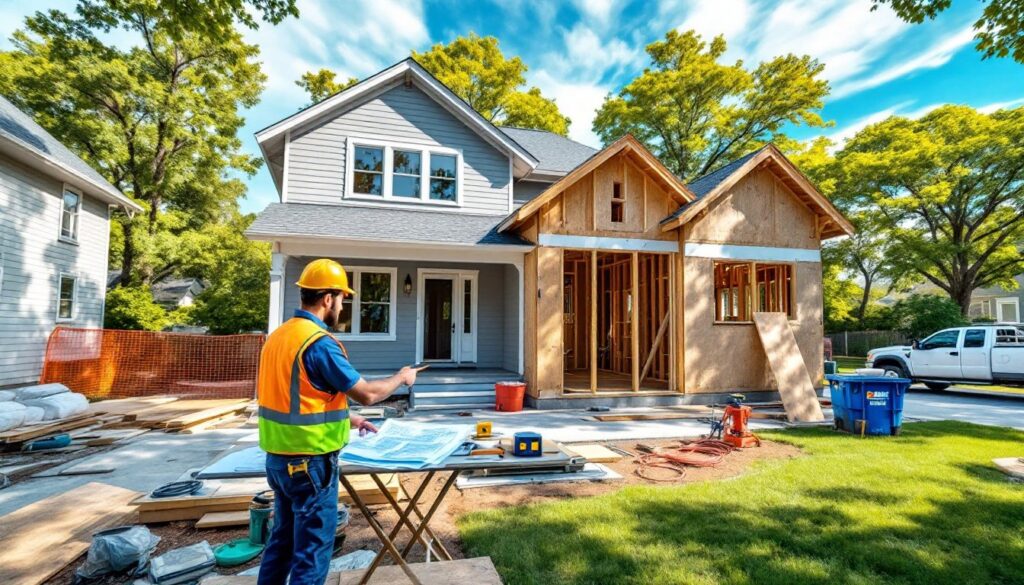
Full room additions (10×12 feet or larger) require a foundation, typically a poured concrete slab, crawlspace, or full basement to match the existing structure. Framing uses 2×4 or 2×6 studs (depending on climate and insulation requirements), sheathed with OSB or plywood, wrapped with a weather-resistant barrier, and clad in siding that matches the main house. The roof must tie into the existing roofline or stand independently, which affects both cost and aesthetics.
Popular room additions include:
- Primary suite additions: Bedroom, walk-in closet, and full bath. Often 300–500 square feet. Requires dedicated HVAC supply and return, plumbing rough-in for bathroom, and electrical for lighting, outlets, and potentially a separate subpanel.
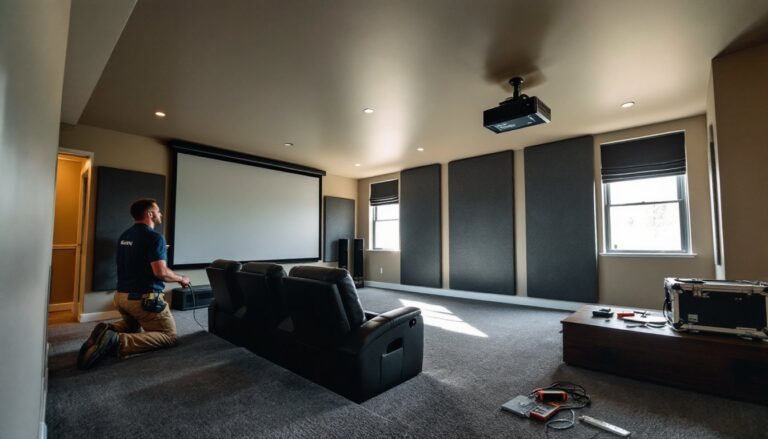
- Family room or great room extensions: Typically 200–400 square feet. Less plumbing-intensive but may need a gas line for a fireplace and additional windows for natural light.
- In-law suites or ADUs (Accessory Dwelling Units): Self-contained units with kitchenette, bathroom, and living/sleeping area. May require a separate entrance, dedicated utilities, and compliance with local ADU ordinances.
Platforms like Houzz offer design galleries that help homeowners visualize floor plans and finishes before committing to architectural drawings.
Second-Story Additions
Adding a second story doubles living space without expanding the footprint, ideal for urban or suburban lots with limited yard space. But it’s the most disruptive and expensive addition type, often costing $150–$300+ per square foot.
The existing structure must support the additional load. An engineer should evaluate floor joists, foundation, and load-bearing walls to confirm they meet code for a second story. Older homes may need foundation reinforcement, new footings, or sistered joists, adding significant cost before framing even begins.
Second-story additions require:
- Temporary relocation: Families often move out for 3–6 months while roof and framing are exposed.
- Full roof removal: The existing roof comes off, and the new second-story framing is built atop the first-floor walls. A new roof structure goes over the addition.
- Staircase integration: A staircase requires roughly 120–150 square feet of first-floor space (for run, landing, and headroom clearance per IRC standards).
- HVAC expansion: The existing furnace and AC may need upsizing or supplementing with a second zone to condition the new floor.
Second-story additions make sense when lot coverage is maxed out, when the foundation is already robust, and when neighborhood comps support the higher valuation.
Planning Your Home Addition: Budget, Permits, and Timeline
Budgeting for an addition starts with a per-square-foot estimate, but final costs hinge on complexity, finishes, and labor rates. As of 2026, budget-conscious additions (basic finishes, minimal plumbing) run $100–$175 per square foot in most markets: mid-range additions with upgraded flooring, fixtures, and cabinetry cost $175–$250 per square foot: and high-end custom work (vaulted ceilings, luxury baths, custom millwork) can hit $300+ per square foot.
Always add a 15–20% contingency for unforeseen conditions: rot in existing framing, outdated wiring that doesn’t meet code, or soil conditions requiring deeper footings. Reliable cost estimates for different project scopes can be found on ImproveNet, which aggregates contractor pricing by region and project type.
Permits are non-negotiable for additions. Building departments require:
- Building permit: Covers structural, electrical, plumbing, and mechanical work. Requires stamped plans from a licensed architect or engineer in most jurisdictions.
- Zoning approval: Confirms the addition complies with setbacks, lot coverage, height limits, and FAR (floor area ratio).
- Utility permits: Separate permits for electrical, plumbing, and HVAC rough-in and finals.
Permit costs vary, expect $500–$3,000+ depending on project size and jurisdiction. Pulling permits protects homeowners by ensuring inspections at key phases (foundation, framing, rough-in, final) and provides documentation for future resale.
Timelines depend on complexity and permitting speed:
- Design and permitting: 2–4 months (longer in slow-moving jurisdictions)
- Foundation and framing: 4–8 weeks
- Rough-in (electrical, plumbing, HVAC): 2–4 weeks
- Insulation, drywall, and interior finish: 4–8 weeks
- Final inspections and punch list: 1–2 weeks
All told, plan for 6–12 months from design to occupancy. Weather delays, material shortages, and inspection backlogs can stretch timelines.
Hiring Professionals vs. DIY: What You Need to Know
Home additions are not DIY projects for most homeowners. They require structural engineering, code-compliant framing, foundation work, and coordination of multiple trades (framers, electricians, plumbers, HVAC techs, drywall installers, finish carpenters). Even experienced DIYers should hire licensed professionals for:
- Foundation work: Footings, concrete forming, and pouring demand precision and often require inspections before proceeding.
- Structural framing: Load-bearing walls, headers, and connections must meet IRC and local amendments. Mistakes compromise safety.
- Electrical and plumbing: Both require permits and inspections. Unlicensed work voids homeowner’s insurance and creates liability at resale.
- HVAC: Sizing equipment, ductwork, and balancing airflow requires HVAC-specific training and certification.
Homeowners can contribute to an addition by:
- Demolition and site prep: Clearing landscaping, removing old deck materials, or hauling debris.
- Finish work: Painting, trim installation, flooring (if skilled), and landscaping restoration after construction.
- Project management: If acting as owner-builder, coordinating subs, scheduling inspections, and ordering materials, but this requires construction knowledge and time availability.
For renovation tutorials, homeowners can learn finish carpentry, drywall taping, and trim work that apply to later project phases.
When hiring a general contractor, vet candidates by:
- Confirming active licensing and insurance (general liability and workers’ comp)
- Checking references and visiting completed projects
- Reviewing detailed written estimates that break out labor, materials, and allowances
- Ensuring the contract includes a payment schedule tied to milestones, not upfront lump sums
Expect contractors to charge 15–25% markup over direct costs for project management, overhead, and profit. This markup buys expertise, scheduling, and accountability, worth every dollar on a complex addition.
Conclusion
Home additions deliver custom space tailored to a household’s exact needs, but they demand substantial investment, realistic timelines, and a willingness to navigate permitting and construction complexity. Homeowners who plan thoroughly, hire qualified professionals, and budget conservatively will end up with space that serves them for decades. Those who cut corners or underestimate scope often face cost overruns, code violations, and resale complications. Treat an addition as a long-term commitment to both the home and the neighborhood, and the results will justify the effort.