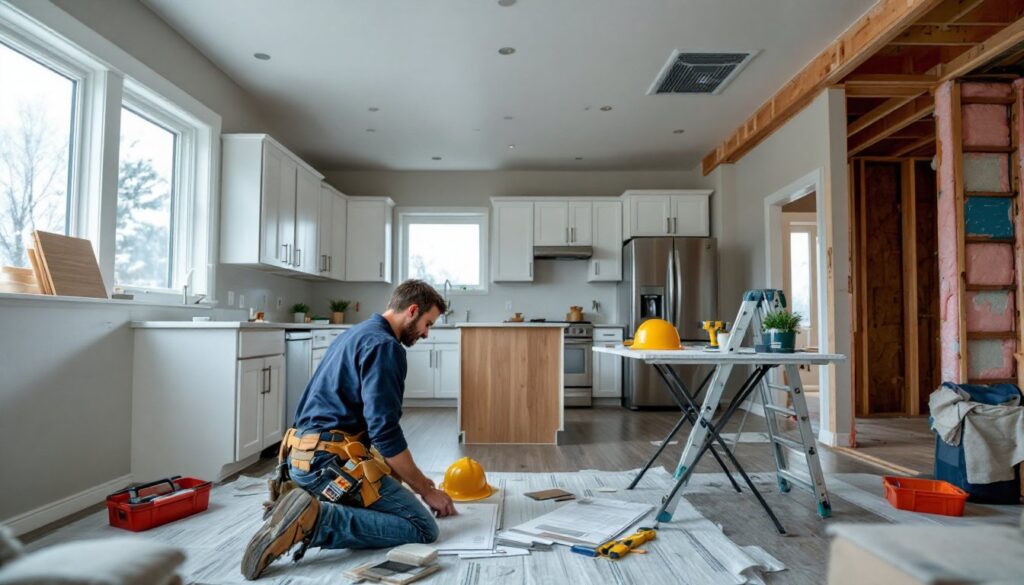

Rochester homeowners face unique renovation challenges, older housing stock, harsh winters that test building envelopes, and the need to balance character preservation with modern efficiency. Whether updating a 1920s bungalow in the Neighborhood of the Arts or retrofitting a post-war ranch in Irondequoit, home remodeling projects here require thoughtful planning, realistic budgets, and an understanding of local building codes. This guide walks through the most common remodeling scenarios in the Rochester area, from kitchen and bath upgrades to navigating Monroe County permit requirements and deciding when to hire professionals versus tackling work yourself.
Key Takeaways
- Home remodeling in Rochester, NY offers strong financial returns because affordable home prices free up equity for strategic improvements, and many homeowners find renovation cheaper than buying up in today’s market.
- Kitchen and bathroom upgrades dominate Rochester remodeling projects, with mid-range kitchen renovations typically costing $25,000–$50,000 and standard bathroom remodels ranging from $8,000–$18,000.
- Older Rochester homes (built 1900–1960) require permits and professional work for structural changes, electrical upgrades to 200-amp panels, and HVAC modernization to meet current energy codes and handle harsh winter conditions.
- Add 15–20% contingency budgets for Rochester home remodeling projects to account for hidden issues like knob-and-tube wiring or cast-iron plumbing commonly found when walls open up.
- DIY work works well for cosmetic updates like painting and flooring, but hire licensed professionals for structural, electrical, and plumbing changes to ensure code compliance and protect your investment at resale.
- Monroe County permits are required for most structural, electrical, plumbing, and mechanical work, with inspections at rough-in and final stages to prevent fines and insurance claim denials.
Why Rochester Homeowners Are Investing in Remodeling Projects
Rochester’s housing market sits in a sweet spot, home prices remain affordable compared to coastal metros, which frees up equity for strategic improvements. Many homeowners find it cheaper to renovate than to buy up, especially given rising interest rates and limited inventory in desirable school districts.
Older homes dominate the local stock. Properties built between 1900 and 1960 make up a significant portion of the market, and these homes often need electrical panel upgrades, insulation retrofits, and HVAC modernization to meet current energy standards. The Rochester climate, with average winter lows in the teens and heavy lake-effect snow, puts extra stress on roofs, siding, and windows. Homeowners remodel not just for aesthetics, but to reduce heating costs and prevent ice dam damage.
Energy efficiency rebates through NYSERDA and local utility programs also motivate projects. Upgrades like air sealing, insulation, and high-efficiency furnaces can qualify for thousands in incentives, making projects like basement finishing or attic conversions more financially viable. Property values in neighborhoods like Park Avenue, Browncroft, and the South Wedge have climbed steadily, justifying investment in kitchens, baths, and curb appeal improvements that yield strong returns at resale.
Most Popular Home Remodeling Projects in Rochester
Kitchen Renovations
Kitchen remodels top the list for Rochester homeowners, driven by outdated layouts, aging appliances, and the desire for open-concept living. Typical projects range from cosmetic updates, new cabinet doors, countertops, and backsplash, to full gut jobs involving load-bearing wall removal, plumbing relocation, and electrical service upgrades.
Budget-conscious updates often focus on refinishing existing cabinets, installing quartz or butcher block countertops (which run $40–$75 per square foot installed), and swapping builder-grade appliances for mid-range stainless models. Paint-grade shaker cabinets have become the default choice, offering clean lines without the cost of custom hardwood.
For larger renovations, homeowners frequently knock out walls between kitchens and dining rooms. This requires a structural engineer’s assessment if the wall is load-bearing, common in older homes with balloon framing. A steel beam or engineered lumber header (LVL) gets specified to carry the load, and this work requires a building permit in Rochester. Electrical upgrades often follow: older homes may have 100-amp service, but modern kitchens with induction ranges, microwaves, and dishwashers often need 200-amp panels to meet NEC code.
Flooring choices lean practical. Luxury vinyl plank (LVP) resists moisture and scratches better than hardwood, and it installs over existing subfloors without extensive prep. Sheet vinyl and porcelain tile also work well, especially near sinks and dishwashers where water exposure is frequent. National cost guides for kitchen remodels put mid-range projects between $25,000 and $50,000 in the Rochester area, though cosmetic-only updates can stay under $10,000 with careful sourcing and DIY labor.
Bathroom Upgrades
Bathroom remodels rank second, driven by leaky fixtures, outdated tile, and mold issues common in older homes with poor ventilation. A typical Rochester bathroom project involves replacing a tub-shower combo, upgrading vanity and lighting, installing new flooring, and improving exhaust ventilation.
Tub-to-shower conversions have grown popular as homeowners age in place. Curbless or low-threshold showers improve accessibility and pair well with grab bars and handheld showerheads. Fiberglass inserts offer the cheapest route ($800–$1,500 installed), but tile surrounds using 12×24-inch porcelain planks provide better longevity and design flexibility. Cement board underlayment and a waterproof membrane (like Schluter or RedGard) are non-negotiable for wet areas, skip these, and mold will eventually find the studs.
Vanity upgrades often include adding a double sink if space allows, switching to soft-close drawer slides, and upgrading faucets to single-handle models with ceramic disc valves. LED lighting around mirrors and in the shower improves task visibility and energy use. Ventilation deserves attention: 80–110 CFM exhaust fans (rated for bathroom square footage) help control humidity and prevent mold, especially in windowless baths.
Flooring choices mirror kitchens, LVP and porcelain tile dominate. Small-format hex or subway tile remains popular for nostalgia, but larger formats reduce grout lines and speed installation. Professional bathroom remodel cost estimates in Rochester typically range from $8,000 to $18,000 for a standard 5×8-foot space, depending on fixture quality and tile complexity.
Planning Your Rochester Home Remodel: Budget and Timeline Considerations
Realistic budgeting starts with understanding hard costs (materials, labor, permits) versus soft costs (design fees, temporary housing, storage). Homeowners should add a 15–20% contingency for older homes, where hidden issues, knob-and-tube wiring, cast-iron plumbing, or foundation settling, frequently surface once walls open up.
Material costs fluctuate. Lumber spiked during the pandemic and remains higher than historical averages. Plywood, framing lumber, and trim should be priced locally: big-box stores and regional suppliers like Dixie and Kuhr often have different pricing on sheet goods and specialty moldings. Appliances and fixtures see seasonal sales, particularly around Memorial Day, Labor Day, and Black Friday.
Labor runs $50–$100 per hour for licensed tradespeople in the Rochester area, electricians, plumbers, and HVAC techs at the higher end, finish carpenters and tile setters in the middle. General contractors typically charge 15–20% project management fees on top of subcontractor labor, but they handle scheduling, permits, and inspections.
Timeline planning should account for material lead times. Custom cabinets can take 8–12 weeks: windows and exterior doors often need 4–6 weeks. Permit approval in Monroe County averages 2–4 weeks depending on project scope. For occupied homes, phased work helps, complete demolition and rough-ins first, then finish work room by room to minimize disruption. Winter remodels are common in Rochester since exterior work slows down, but scheduling around holidays can push timelines. Using remodeling project calculators can help estimate realistic budgets and timelines based on square footage and scope.
Navigating Rochester Building Permits and Regulations
The City of Rochester and Monroe County require permits for most structural, electrical, plumbing, and mechanical work. Cosmetic updates, paint, flooring, cabinet refacing, typically don’t need permits, but anything involving framing, wiring, or plumbing does.
Permit requirements include:
- Structural changes: Removing or altering walls, adding beams, opening up floor or ceiling joists.
- Electrical: Panel upgrades, new circuits, relocating outlets or fixtures. All work must meet NEC standards.
- Plumbing: Moving sinks, toilets, or showers: rerouting drain and supply lines.
- HVAC: Installing or replacing furnaces, AC units, or ductwork.
- Windows and doors: Enlarging openings or replacing egress windows in bedrooms (IRC requires minimum 5.7 square feet of opening and 24-inch clear height).
Permit applications go through the city or town building department. Expect to submit drawings or sketches, a scope of work description, and fees based on project value. Inspections occur at rough-in stages (framing, electrical, plumbing) and final completion. Skipping permits risks fines, failed home inspections at resale, and insurance claim denials if unpermitted work causes damage.
Historic districts, like the Third Ward or East Avenue, may require Preservation Board approval for exterior changes. Expect additional review time and restrictions on materials, colors, and window styles to maintain neighborhood character.
Choosing Between DIY and Professional Contractors for Your Project
Skill level and project scope determine the DIY-versus-pro decision. Cosmetic work, painting, trim installation, vanity swaps, flooring, suits confident DIYers with basic tool skills. Structural, electrical, and plumbing work generally requires licensed professionals, both for safety and code compliance.
Good DIY candidates include:
- Painting and wallpaper: Requires patience and prep, but no specialized licensing.
- Flooring installation: LVP and laminate snap together without glue: tile needs more skill but remains doable with rented tools.
- Vanity and fixture swaps: Straightforward if plumbing and electrical rough-ins don’t change.
- Trim and molding: Miter saws and finish nailers make this accessible, though coping inside corners takes practice.
Hire professionals for:
- Structural work: Load-bearing wall removal, beam installation, foundation repair.
- Electrical beyond basic outlet replacement: Panel upgrades, circuit additions, and anything requiring permits.
- Plumbing relocations: Moving drain lines often requires cutting into joists and maintaining proper slope per code.
- HVAC: Refrigerant handling requires EPA certification: ductwork sizing affects system efficiency.
- Roof and siding: Fall hazards and weather-sealing complexity make this risky for amateurs.
Vetting contractors matters. Check license status with New York State (electricians and plumbers must hold state licenses), verify liability and workers’ comp insurance, and ask for local references. Avoid large upfront deposits, New York law caps deposits at one-third of contract value or $1,000, whichever is less, for home improvement contracts under $5,000.
For medium-sized projects, hiring a GC to manage subs while handling demo, painting, and finish work yourself can balance cost and quality. Clear contracts with payment schedules tied to milestones (permit approval, rough-in completion, final inspection) protect both parties and keep projects on track.